

When the Author Takes Responsibility
Just start, it's your life. Stop looking for perfection.

Author Becoming series
Here is the final resolving piece the one that closes the arc cleanly, removes confusion, and leaves you with ground beneath your feet. It neither motivates nor scolds. It places responsibility where it belongs and then steps aside. Enjoy reader
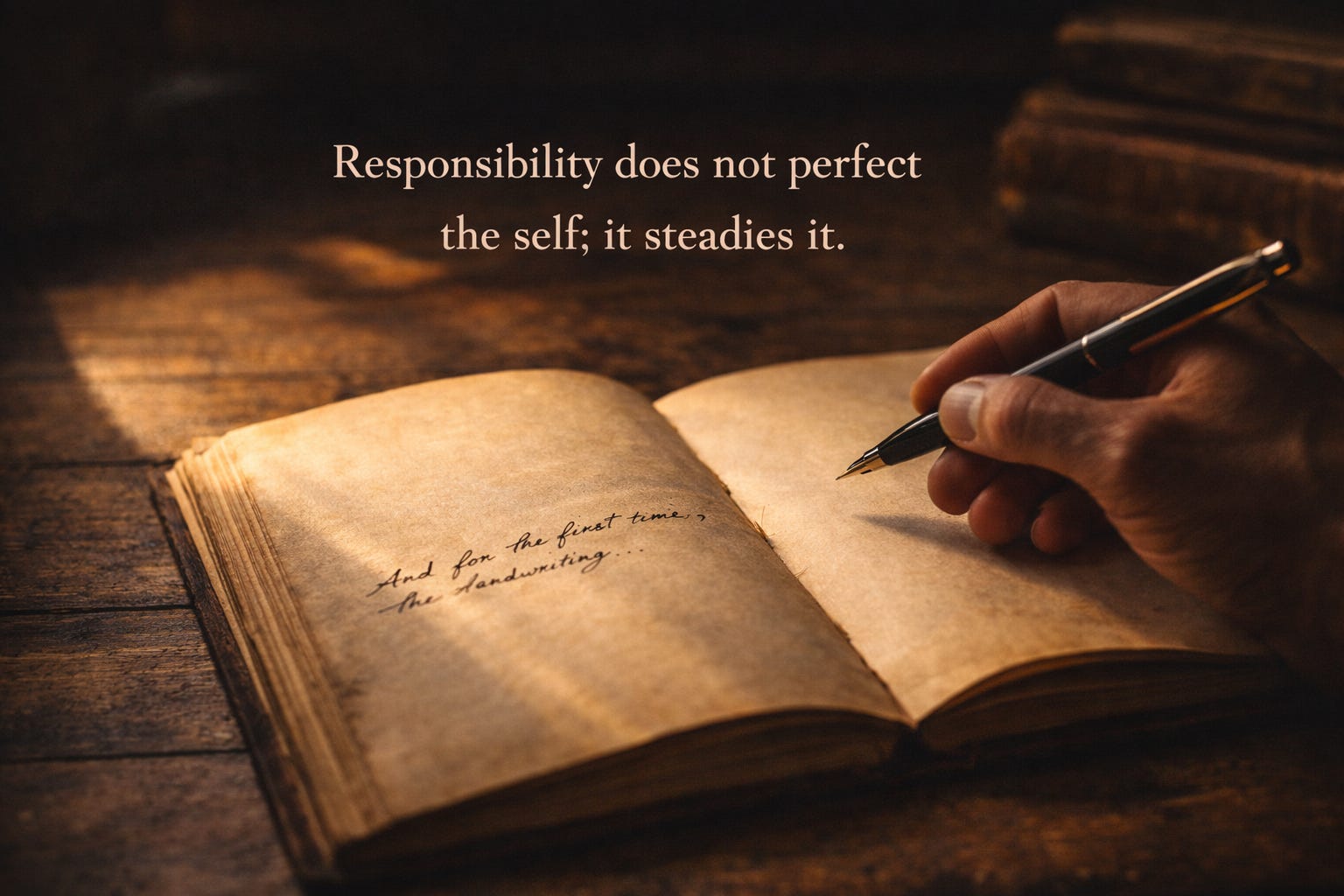
When the Author Takes Responsibility
The moment the author arrives, nothing dramatic happens.
There is no sudden clarity. No final answer. No applause from the world. Life does not slow down to acknowledge the shift. The same pressures remain. The same limitations persist. The same fears rise when they always have.
What changes is quieter than that.
The author takes responsibility not because everything is understood, but because understanding is no longer required to act.
He stops waiting for permission from the past, from others, from himself. He no longer needs certainty to move forward, only honesty. The question changes from “Why am I like this?” to “Given that this is so, what will I do?”
Responsibility does not erase pain. It gives pain a place to stand.
When the author takes responsibility, fear becomes information rather than a verdict. Guilt becomes a signal rather than a sentence. Failure becomes feedback rather than identity. Nothing is denied, but nothing is allowed to rule unchecked.
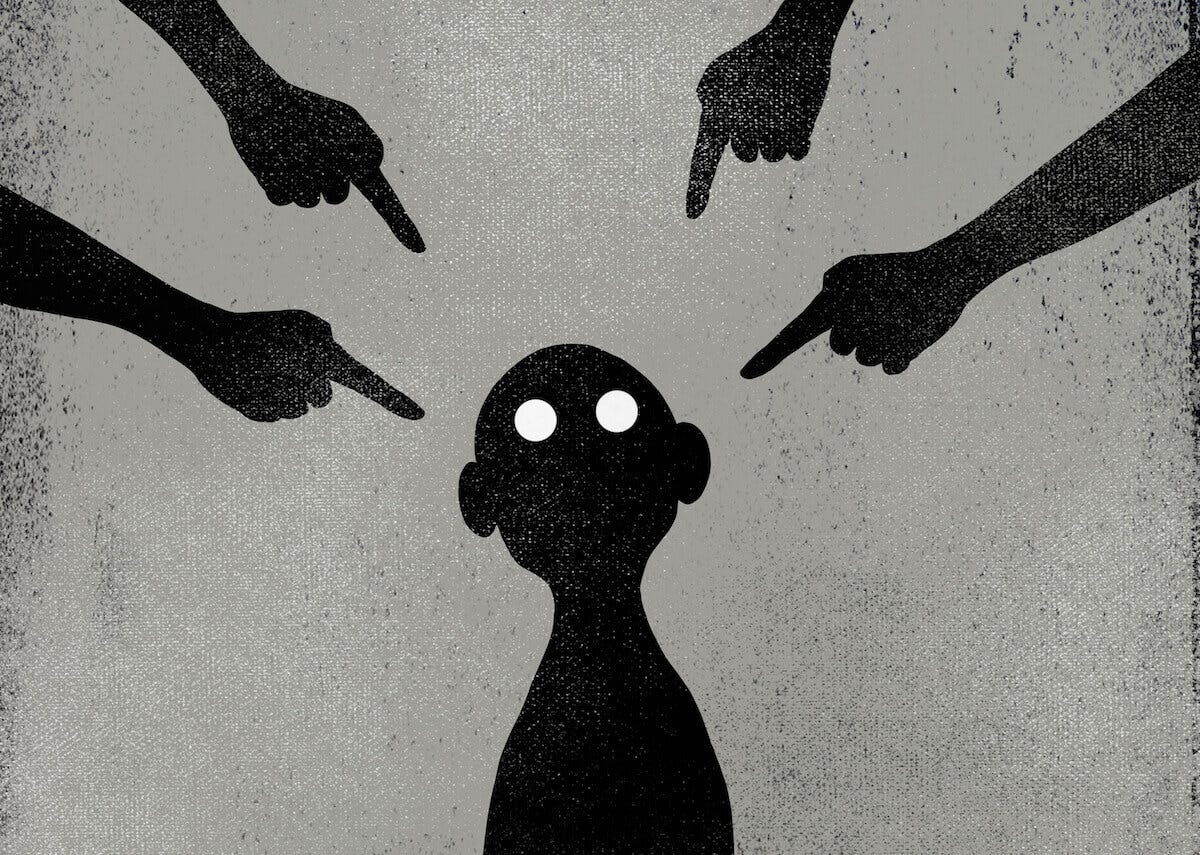
He does not rewrite the past. He incorporates it.
He acknowledges what shaped him without kneeling to it. He honors what was given without being imprisoned by it. He no longer needs to explain himself endlessly because his actions begin to speak with consistency.
Responsibility brings limits and, within limits, form.
Structure appears where chaos once lived. Not rigid structure, but reliable rhythm. Habits replace intention. Decisions replace deliberation. The author does not become flawless; he becomes accountable. And accountability produces steadiness.

Others notice, not because he announces it, but because he is no longer pulled in every direction. He listens more carefully. He reacts less. He moves with restraint. He chooses his words and his silences with equal care.
When the author takes responsibility, resentment fades not because life is fair, but because he no longer expects it to be. He stops measuring himself against imagined paths and begins walking the one beneath his feet.
He does not try to save others. He becomes dependable. He does not demand unity. He offers coherence. Those who are ready draw near. Those who are not move away. Both are allowed.
This is where authorship settles; not in control, but in stewardship.
The author knows the work is ongoing. He knows he will falter again. He knows there will be moments of regression, confusion, and doubt. But he also knows this: nothing is wasted anymore. Every action counts. Every choice leaves a mark. Every day adds a line to the page.
And for the first time, the handwriting is unmistakably his.
So true.